
Get Started
Your Tree of Life Pilates Journey begins here
Welcome to Tree of Life Pilates
New to our pilates studio?
This page will walk you through what Pilates is, how our studio works, and how to begin with confidence.
How to get Started
No experience is necessary – we’ll guide you every step of the way!
1
Complimentary Introductory Class
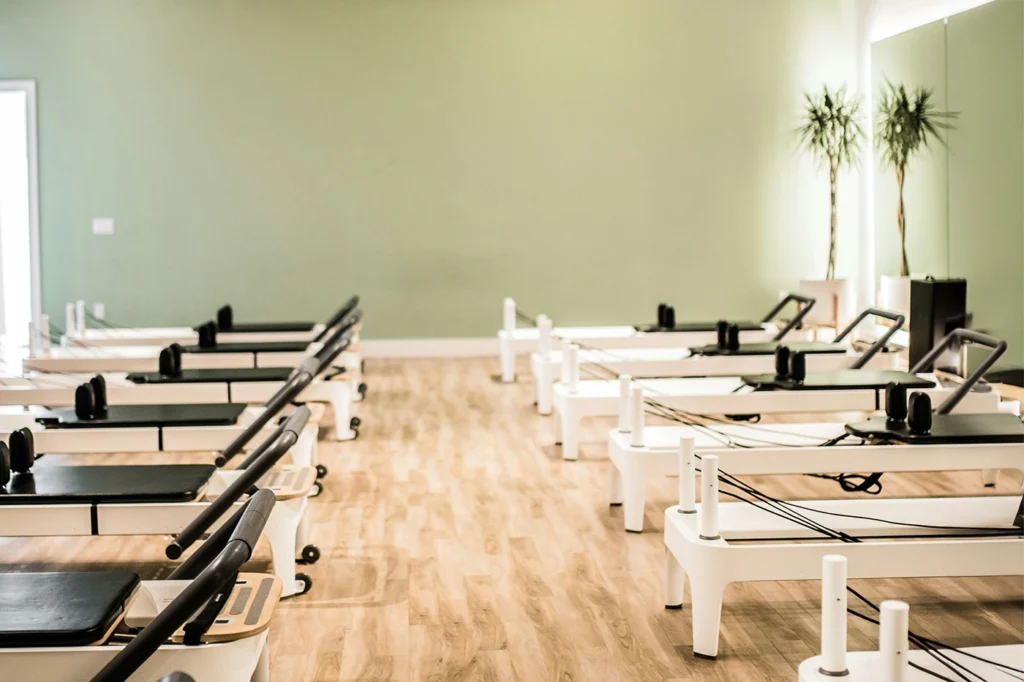
Your experience begins with a complimentary introductory class designed to introduce you to the Pilates equipment, Pilates principles, and the Tree of Life method in a supportive, welcoming environment.
2
Personalized Assessment
During your introductory class, our instructor will observe movement patterns and form. Following the session, you’ll receive guidance on the class types best suited for your goals and individual needs.
3
Choose your Package
Once a pathway is established, we’ll guide you in selecting the package or membership that best fits your schedule and training frequency.
Prepare for Your Visit
Should you have any questions prior to your visit, please feel free to contact us.

What to Wear
Wear comfortable clothing that allows you to move freely. Grip socks are essential for stability and safety.

What to Bring
Bring a closed lid (screw cap only) water bottle and your grippy socks. That’s it! Towels are optional. All apparatus and props are provided.

When to Arrive
Plan to arrive 5-10 minutes early to settle in and begin on time. Lockers with keypad locks are available for your belongings.
Arrival Notes
To preserve the class experience, doors close promptly at the scheduled start time.
Come Visit Us
Join us in the studio and experience Tree of Life Pilates for yourself.
If you’d like to see the studio before your first session, we offer:
- Studio tours
- Time to ask questions
- Guidance on class types and levels
This is a great option if you’re feeling unsure or just want a better sense of the space.
Frequently Asked Questions
I already workout at the Gym regularly, why do I need Pilates?
Gym workouts primarily focus on strength training and large muscle groups. Pilates, especially when performed on specialized equipment, is designed to isolate the core and activate the deep stabilizing muscles of the spine. At the same time, the equipment allows the arms and legs to lengthen and move against the resistance created by the core, creating strength with control and intention.
This style of training fills in what most traditional gym workouts miss — small muscle group conditioning, improved flexibility, and a deeper awareness of how the body moves and functions as a whole. The result is greater muscular balance, healthier joints, and a reduced risk of injury that often comes from repetitive or improperly aligned training.
How many times per week do I need to do Pilates in order to get results?
The ideal frequency depends on your individual needs, goals, and current level of activity. For clients who already work out regularly, Pilates can be an excellent complement to their existing routine. In this case, practicing Pilates one to two times per week, consistently for at least three months, is enough to experience noticeable results.
If Pilates will be your primary form of exercise, a minimum of two to three sessions per week is recommended, with three to four sessions per week being ideal for optimal strength, mobility, and long-term progress.
Can people with back issues practice pilates?
Is pilates beneficial for men?
Can Pilates improve performance in Sports?
Is Pilates safe, effective, and doctor-recommended during pregnancy?
This is a great question. Pilates can be incredibly beneficial before, during, and after pregnancy. Research shows that beginning Pilates before becoming pregnant helps build a strong foundation—particularly in the core and postural muscles—preparing the body for the physical demands, added weight, and physiological changes that occur during pregnancy.
With a doctor’s clearance and appropriate modifications, Pilates can be done safely throughout pregnancy. When taught properly, it is a low-impact, supportive form of movement that helps maintain core support, muscle balance, posture, and overall strength, while encouraging body awareness and mindful movement during a time of significant change.
Pilates is also highly effective after delivery, as it serves as a form of rehabilitation for the muscles most affected during pregnancy and childbirth. Postnatal Pilates helps restore core strength, improve stability, and support the body as it recovers and rebalances.
For pregnancy and postnatal clients, Pilates on equipment—rather than mat work—is generally the safest and most supportive option, as it allows for individualized modifications, proper positioning, and appropriate assistance throughout each stage.